

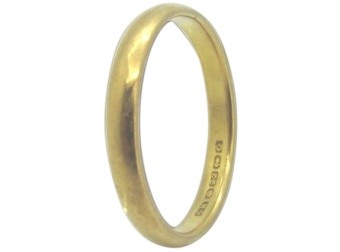
Yellow gold is gold in its most natural-looking form, made by alloying pure gold with metals such as copper and silver to create something strong enough to wear every day, while keeping that familiar warm, golden colour. Unlike white gold, which relies on other metals and a surface coating to change gold's appearance, yellow gold's alloy is chosen to preserve gold's own natural tone rather than disguise it.
Here's what's actually going on beneath that classic golden colour, and why it can vary so much from one piece to the next.
What is yellow gold actually made of?
Pure, 24 carat gold is naturally a deep, rich yellow, but it's also too soft to hold up well in everyday jewellery. To make it more durable, pure gold is alloyed with other metals, most commonly copper and silver, in proportions that vary depending on the carat and the exact look a jeweller is going for.
Unlike white gold, where metals like palladium or nickel are added specifically to lighten gold's colour, the metals used in yellow gold are chosen mainly to add strength while keeping the overall tone warm and golden. This is part of why yellow gold doesn't need the rhodium plating that white gold relies on for its bright finish.
Why does carat affect the shade of yellow gold?
This is one of the more interesting parts of how yellow gold works. The carat of a piece directly affects how intense or pale the yellow colour appears, simply because carat tells you how much of the metal is pure gold versus alloy.
- 24ct gold is virtually pure, giving the richest, deepest golden colour possible
- 22ct gold is still very rich and warm, and is a traditional choice in many South Asian and Middle Eastern jewellery styles
- 18ct gold has a noticeably warm, golden tone, and is a popular choice for fine jewellery in the UK
- 9ct and 14ct gold contain a higher proportion of copper and silver, which lightens and softens the colour, giving a paler, more muted yellow
So if you've ever noticed that two "yellow gold" rings look slightly different shades next to each other, carat is very often the reason why.
Is yellow gold more real than white gold?
Not necessarily, no. This is a common misunderstanding. Carat purity and colour are two separate things. A 9ct yellow gold ring and a 9ct white gold ring contain exactly the same percentage of pure gold, 37.5%, regardless of how different they look. The only real difference is which metals make up the rest of the alloy, copper and silver for a golden tone, or metals like palladium and nickel for a whiter one.
Does yellow gold need any special care?
Generally, less than white gold. Because yellow gold's colour comes directly from the alloy itself rather than a surface coating, there's no plating layer that can wear thin or need reapplying over time, unlike rhodium-plated white gold.
That said, lower carat yellow gold can still show some surface dulling after years of wear, since the copper and silver in the alloy can react slightly with air, moisture or everyday chemicals. This doesn't affect the gold content itself, and a gentle clean is usually enough to bring back the original shine.
Why has yellow gold remained so popular?
Yellow gold has a longer history in jewellery than either white gold or rose gold, largely because it's the closest thing to gold's natural appearance without needing any additional processing to achieve it. It remains a strong tradition in many cultures, particularly where higher carat gold, such as 22ct, is favoured for its richer, more recognisably "gold" colour.
A quick word on rose gold, for comparison
Rose gold takes the opposite approach to white gold, using a higher proportion of copper in the alloy to create a warm, pinkish tone rather than lightening the colour. Like yellow gold, its colour comes from the alloy itself rather than a coating, so it doesn't need replating either.
What this means if you're going through old jewellery
Whether a piece is yellow, white or rose gold, the carat stamp tells you the same thing: how much pure gold is actually present. Colour alone doesn't tell you anything about value, since that depends on weight, purity and the metal's current market price, not the shade it happens to be.
If you've got yellow gold jewellery you no longer wear, whether it's bright 22ct gold or a paler 9ct piece, our specialists assess each item individually based on its actual gold content.
You can see the full range of items we accept, including yellow, white and rose gold, on our What We Buy page, and with over 33,000 Trustpilot reviews, we aim to keep the process clear from start to finish.
If you've got yellow gold sitting in a drawer, whether it's a family piece or something you simply don't wear anymore, requesting a free postage pack is a simple way to find out what it's worth today.